Educational Technology Trends 2026: The AI EdTech Renaissance
Explore the definitive guide to educational technology trends in 2026. Uncover how AI in education, digital learning, and smart classrooms are revolutionizing teacher productivity and the future of pe

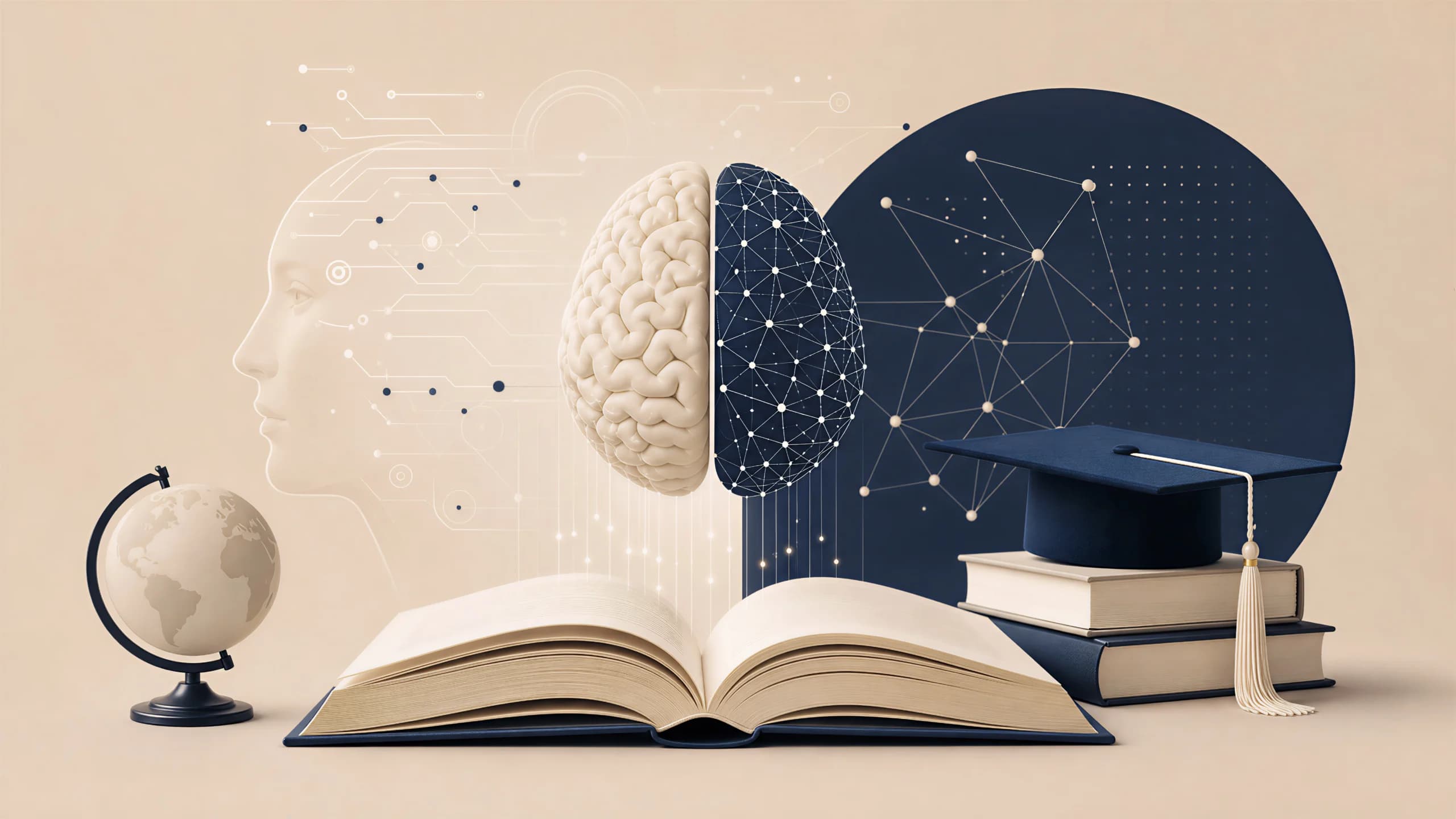
The education technology landscape is entering a transformative new phase in 2026, shifting from basic digital integration to highly intelligent, responsive learning environments. As institutions globally move past the experimental stages of classroom technology, the focus has shifted toward building sustainable, data-backed educational ecosystems. This era, often referred to as the EdTech renaissance, is defined by tools that not only digitize the classroom but actively enhance how students absorb information and how educators teach.
At the center of this movement are AI in education, digital learning, personalized learning, and adaptive learning, all of which are becoming central to modern education. Rather than treating every student as a uniform learner, these technologies analyze individual strengths and weaknesses to create tailored academic pathways. This intelligent approach minimizes student performance gaps, optimizes teacher productivity, and redefines what it means to participate in a classroom, whether that space is physical, virtual, or a hybrid of both.
In this comprehensive guide, you will learn about the most critical educational technology trends 2026 has to offer. We will explore how AI tutors, smart classrooms, and learning analytics are reshaping the student experience, examine the evolving role of educators in a tech-driven world, and uncover what the future of learning looks like for K-12, higher education, and professional development.
Why 2026 Is a Turning Point for EdTech

The year 2026 represents a critical turning point for education technology due to the massive acceleration of AI adoption, widespread digital transformation, and the solidification of hybrid learning as a standard educational model. Students now come to the classroom with higher expectations for interactive, technology-driven experiences, while administrators are actively seeking solutions to alleviate crippling teacher workload and burnout. Furthermore, the modern workforce’s demand for rapid upskilling has driven a massive shift toward skills-based learning, forcing educational institutions and EdTech startups to deploy highly responsive, scalable, and intelligent digital platforms to stay relevant.
What Does AI in Education Mean?
AI in education refers to the use of artificial intelligence, machine learning, and natural language processing to enhance the teaching and learning experience. Rather than replacing educators, this technology acts as a powerful support system through tools like generative AI, AI tutors, and AI chatbots that provide instant academic assistance. By automating administrative tasks such as automated grading and generating deep insights through learning analytics, AI-powered tools free up teachers to focus on meaningful student mentorship and high-level curriculum design.
Top Educational Technology Trends 2026

1. AI Tutors Become Mainstream
AI tutors are revolutionizing the way students receive academic support by providing instant, 24/7 feedback and personalized explanations tailored to a student’s unique learning pace. These intelligent assistants help with homework, break down complex concepts, and guide adaptive learning exercises, ultimately leading to higher retention rates and significantly improved student performance across all grade levels.
2. Personalized Learning Moves Beyond Theory
Personalized learning has finally moved past theoretical discussions, using vast amounts of student data, learning analytics, and adaptive learning platforms to craft individualized academic journeys. AI-powered tools seamlessly adjust the difficulty of lessons, recommend specific study materials, and alter teaching methods based on each learner’s needs, ensuring that no student is left behind or held back by a standardized curriculum.
3. Digital Learning Becomes More Interactive
Digital learning is evolving rapidly, replacing passive video lectures with highly interactive learning environments, immersive simulations, and dynamic educational software. Through engaging online courses, targeted microlearning modules, and rich multimedia learning experiences, students can now interact directly with the material, leading to deeper comprehension and a more engaging educational journey.
4. Virtual Classrooms and Hybrid Learning Expand
Virtual classrooms, remote learning, and hybrid learning models continue to expand, offering unprecedented flexibility for diverse student populations. These blended education models support K-12 education, higher education, and professional training by bridging the physical and digital divide, ensuring continuous learning regardless of geographical barriers or scheduling constraints.
5. Learning Management Systems Become Smarter
Modern learning management systems (LMS) are becoming drastically smarter, evolving into central intelligence hubs powered by AI-powered analytics and deep student tracking. These upgraded platforms offer intelligent content recommendations, automated workflows for educators, and streamlined school administration tools, making it easier for institutions to manage everything from enrollment to curriculum delivery.
6. AI-Powered Tools Improve Teacher Productivity
AI in education is fundamentally changing how educators work, helping teachers reclaim hours of lost time by assisting with complex lesson planning and dynamic curriculum design. Through automated grading, rapid student assessment, and automated feedback generation, AI-powered tools drastically reduce administrative work, allowing educators to focus entirely on teaching and student engagement.
7. Smart Classrooms Redefine the Learning Environment
Smart classrooms are redefining the physical learning environment by integrating advanced classroom technology, IoT-connected devices, and interactive boards with powerful educational software. By utilizing AI tools and real-time data to monitor ambient conditions and student interaction, these tech-enabled spaces foster a highly collaborative, optimized, and engaging atmosphere for both students and teachers.
8. Learning Analytics Drive Data-Driven Education
Learning analytics are becoming the backbone of data-driven education, helping schools accurately measure student engagement, academic performance, and overall curriculum effectiveness. By identifying early student performance gaps and analyzing attendance patterns, educators can intervene proactively, offering targeted support exactly when and where a student needs it most.
9. Generative AI Changes Content Creation
Generative AI, advanced AI writing tools, AI chatbots, and natural language processing are radically changing how educational content is developed. Educators and instructional designers can now instantly generate diverse learning materials, comprehensive quizzes, chapter summaries, detailed lesson plans, and customized study guides, accelerating the pace of educational innovation.
10. Accessibility Tools Make Learning More Inclusive
AI-powered accessibility tools are making education more inclusive by seamlessly supporting students with different learning needs, disabilities, and language barriers. Features like real-time captions, live translation, text-to-speech, speech-to-text, dynamically simplified content, and smart assistive technology ensure that every student has equal access to high-quality digital learning.
11. Skills-Based Learning Gains More Importance
Schools and online learning platforms are heavily shifting their focus toward skills-based learning, prioritizing practical knowledge and immediate career readiness over traditional rote memorization. Through targeted microlearning and specific credentialing, this trend emphasizes measurable outcomes, ensuring that learners acquire the exact competencies required by the modern, tech-driven workforce.
12. Cybersecurity and Data Privacy Become EdTech Priorities
As digital ecosystems expand, cybersecurity and data privacy have become absolute priorities for schools and EdTech platforms worldwide. It is critical to protect sensitive student data, secure online learning systems, fortify LMS platforms, safeguard user accounts, and audit AI tools to ensure digital classrooms remain safe and compliant with global privacy regulations.
How AI in Education Is Changing Student Engagement
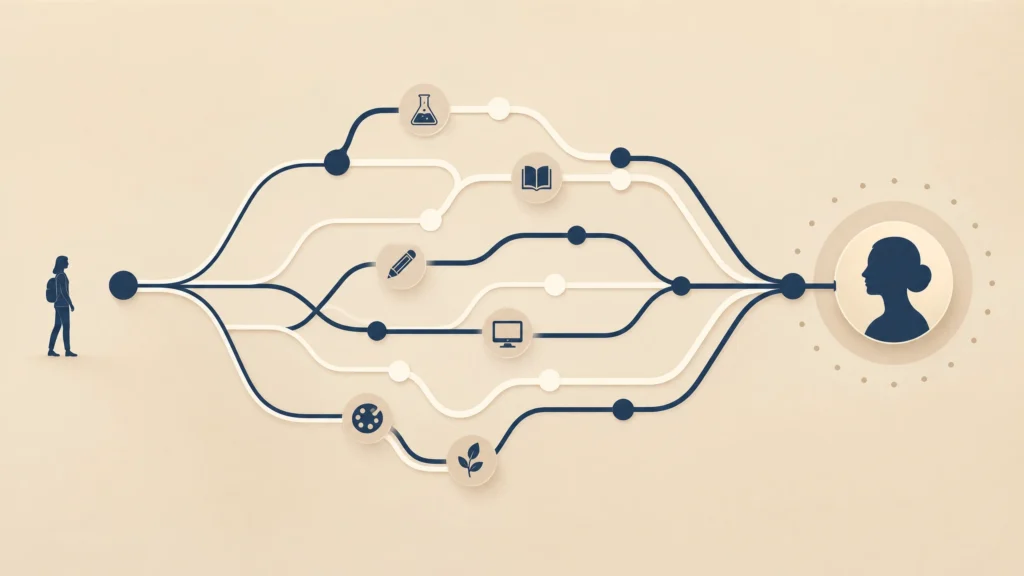
AI-powered tools are fundamentally changing student engagement by transforming passive studying into an active, highly responsive experience. Through personalized learning pathways, interactive learning modules, intelligent AI tutors, and supportive chatbots, students receive real-time feedback that keeps them motivated and focused. Because the material adapts continuously to their individual skill level, learners avoid the frustration of overly difficult tasks and the boredom of material that is too easy, resulting in higher completion rates and genuine academic curiosity.
How EdTech Improves Teacher Training and Productivity
Education technology is a massive asset for teacher training and overall educator productivity, providing digital frameworks that simplify complex teaching responsibilities. Advanced EdTech platforms assist with dynamic lesson planning, innovative curriculum design, and efficient classroom management, while features like automated grading and rapid student assessment eliminate hours of manual paperwork. By utilizing these tools, educators can engage in their own continuous professional development and dedicate their primary energy to mentoring students rather than managing administrative bottlenecks.
The Role of AI Chatbots and AI Writing Tools in Education
AI chatbots and AI writing tools offer a complex blend of benefits and risks within the modern educational landscape. While they provide exceptional research help, writing support, and instant study assistance, they also raise valid concerns regarding academic honesty and over-reliance on automated systems. To navigate this, schools are focusing heavily on teaching responsible AI use, requiring active teacher guidance to help students utilize these technologies as collaborative brainstorming tools rather than shortcuts for completing assignments.
Challenges of Educational Technology in 2026
Despite the massive benefits, the rapid adoption of educational technology in 2026 brings significant challenges that institutions must navigate carefully. Key issues include unequal access to high-speed internet and devices, complex data privacy concerns, and the risk of an over-reliance on AI at the expense of human critical thinking. Furthermore, schools face persistent teacher training gaps, challenges in verifying content accuracy generated by AI, and the constant battle against student distraction and digital fatigue in screen-heavy learning environments.
Future of Learning: What Comes Next?
The future of learning will continue to be heavily shaped by the deep integration of AI in education, adaptive learning systems, and fully realized smart classrooms. We will see a shift toward immersive digital learning utilizing augmented and virtual realities, while a persistent focus on skills-based learning and predictive learning analytics will ensure education remains tied to real-world outcomes. Ultimately, this technology paves the way for lifelong online learning, where education is no longer confined to the first two decades of life, but instead becomes a continuous, personalized, and accessible journey.
Educational Technology Trends 2026 Checklist
- AI tutors and adaptive learning
- Personalized learning platforms
- Interactive digital learning tools
- Smart learning management systems
- Teacher productivity tools
- Learning analytics dashboards
- Virtual classrooms and hybrid learning
- Accessibility tools
- Skills-based learning
- Data privacy and security planning
Conclusion
As we look at the educational technology trends 2026 has brought to the forefront, it is clear that AI in education is acting as a catalyst for a global digital transformation in how we teach and learn. By moving toward advanced digital learning ecosystems and deeply personalized learning models, schools are not only improving academic outcomes but also drastically enhancing teacher productivity and student engagement. Ultimately, the future of learning relies on balancing these powerful AI tools with human empathy, creating an educational landscape that is intelligent, inclusive, and endlessly adaptable.