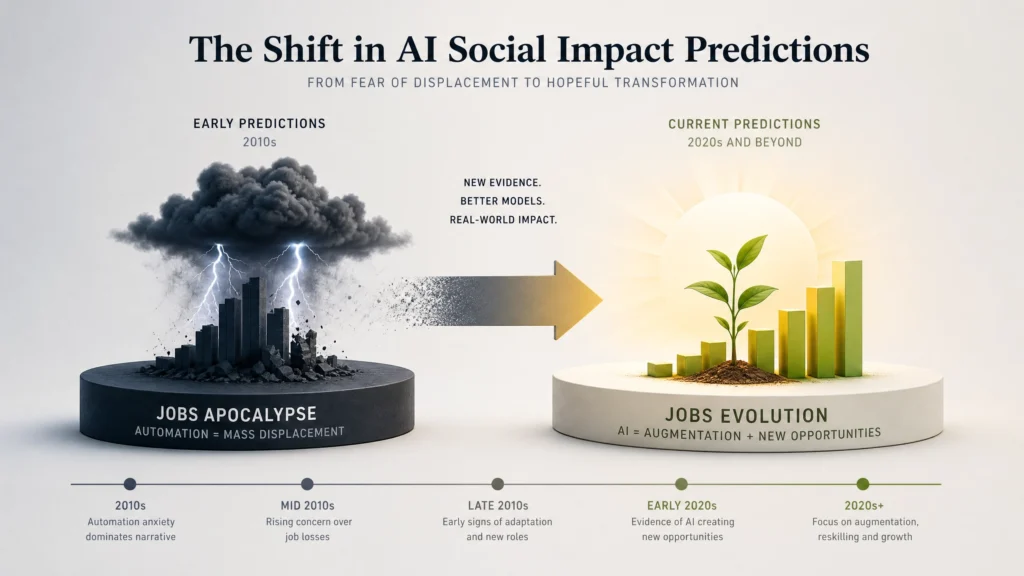
Sam Altman Reverses “Jobs Apocalypse” Prediction
The debate surrounding generative artificial intelligence and its impact on the global labor market has entered a pivotal new phase. For the past two years, Silicon Valley leaders—chief among them Ope

The debate surrounding generative artificial intelligence and its impact on the global labor market has entered a pivotal new phase. For the past two years, Silicon Valley leaders—chief among them OpenAI CEO Sam Altman—have sounded urgent alarms, suggesting that advanced automation would rapidly dismantle white-collar employment. Earlier warnings predicted that entry-level positions would be quickly eliminated and entire job categories would soon be “totally, totally gone.”
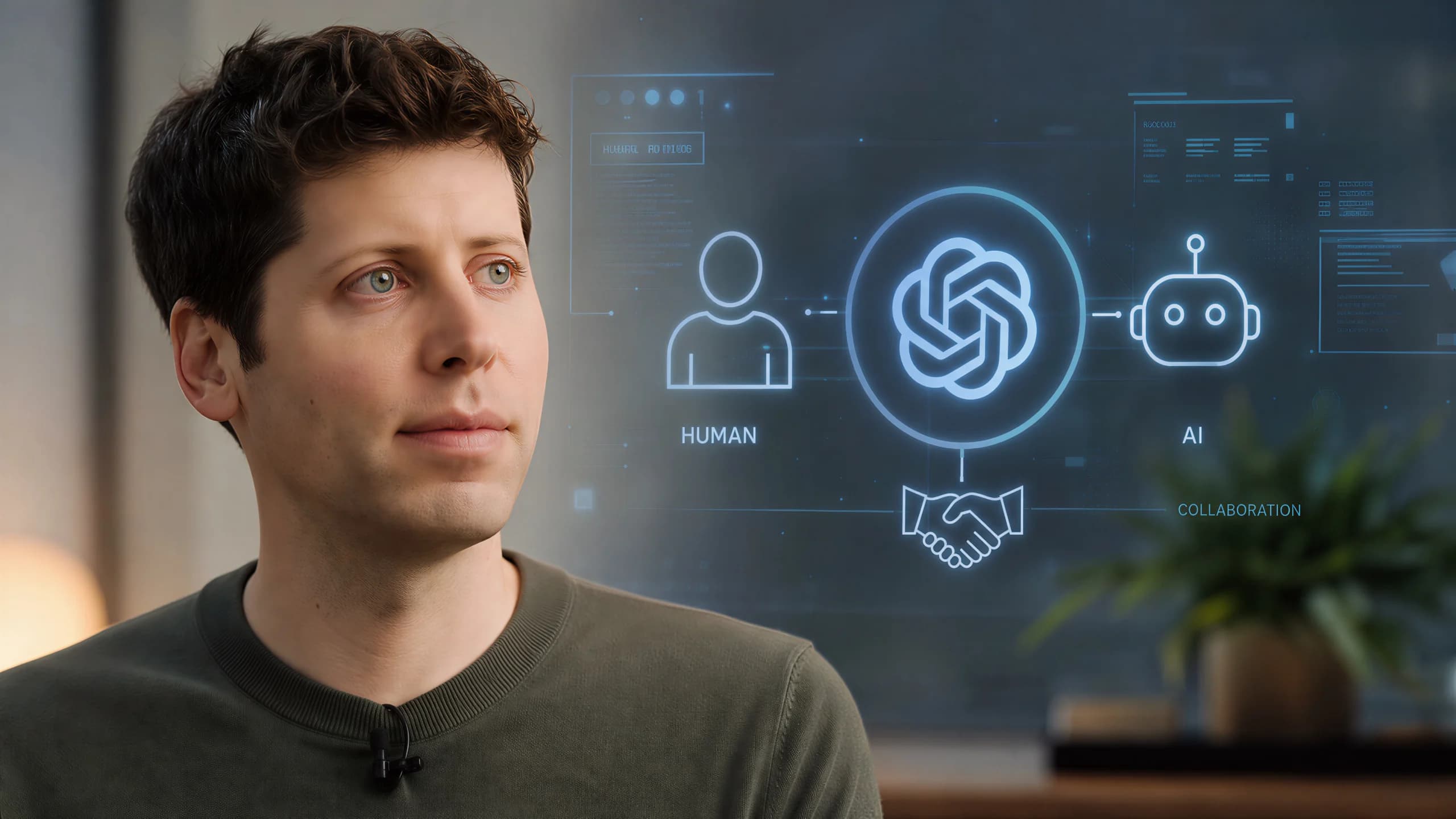
However, this dramatic narrative has recently undergone an abrupt about-face. Speaking at a Commonwealth Bank of Australia (CBA) conference in Sydney, Altman openly walked back his previous doomsday predictions, admitting he was “delighted to be wrong” about the immediate pace of job displacement. This unexpected pivot has reframed the public conversation, shifting the focus from an imminent workforce collapse to a more collaborative paradigm of AI-driven productivity and human-machine cooperation.
In this article, you will explore the details behind Sam Altman’s recent policy shift, analyze how his new stance compares with Anthropic CEO Dario Amodei’s predictions, and examine the economic forces driving these narrative changes. We will also dissect which white-collar roles remain highly exposed, analyze how businesses and workers should strategically adapt, and evaluate what the highly anticipated 2026 public market listings mean for the future of the AI industry.
What Did Sam Altman Say About AI Jobs?
During a virtual interview at the CBA Accelerate AI event, Sam Altman admitted that his earlier predictions regarding rapid labor market disruption had failed to materialize as expected. “My scorecard, at the highest level, would be we’ve been roughly right on technological predictions and pretty wrong on the social and economic implications,” Altman stated. He conceded that he expected to see a far greater impact on entry-level white-collar jobs being eliminated by now, recognizing that his initial intuitions were off because he underestimated the value of the “human part” of employment. Altman emphasized that people fundamentally care about interacting with other humans in the workplace, leading him to believe that the future employment landscape will be characterized by collaboration rather than outright human replacement.
Why the “AI Jobs Apocalypse” Debate Matters
The debate over the “AI jobs apocalypse” is far more than an academic exercise; it directly shapes corporate strategies, regulatory policies, and personal career paths. For workers, these projections dictate which skills they must acquire to remain employable, while companies rely on them to decide whether to invest in human capital or automated infrastructure. For investors and public markets, the projected societal impact of artificial intelligence influences startup valuations and market stability. If regulators believe that rapid AI adoption will trigger a catastrophic employment crisis, they are far more likely to impose severe antitrust measures and restrictive compliance frameworks, directly affecting how quickly these technologies can be integrated into the global economy.
Sam Altman AI Jobs Prediction: Reversal or Reframing?
Analysts are closely examining whether Altman’s recent statements represent a genuine change in forecasting or a strategic narrative reframing. While Altman expressed relief that his doomsday predictions did not occur, critics suggest the shift is a calculated effort to ease public anxiety and political pressure. By moving the conversation away from job elimination and toward workforce augmentation, OpenAI is branding its systems as productivity enhancers rather than workforce replacements. This reframing portrays tools like ChatGPT and upcoming AI agents as collaborative assistants that handle routine tasks, allowing human employees to focus on more complex, strategic responsibilities.
Dario Amodei’s Jobs Prediction Compared
This rhetorical shift is not unique to OpenAI; Anthropic CEO Dario Amodei has also modified his public stance on AI-driven job displacement. Previously, Amodei warned that rapidly advancing models could dismantle up to half of all entry-level white-collar jobs within five years, potentially pushing unemployment rates to 10–20%. More recently, however, Amodei has reframed automation as a massive output multiplier. He suggests that if AI automates 90% of a given occupation, the remaining 10% of tasks will expand to fill the worker’s time, effectively multiplying their overall productivity tenfold. This aligns Anthropic’s outlook more closely with traditional financial institutions that view technological disruption as a catalyst for long-term job creation.
Will AI Replace White-Collar Jobs?
The question of whether AI will replace white-collar jobs requires distinguishing between complete occupational replacement and task-level automation. While tools can draft reports, analyze code, and organize data, a typical white-collar job comprises a diverse bundle of complementary tasks. Many of these responsibilities—such as stakeholder communication, contextual problem-solving, and emotional intelligence—remain entirely beyond the reach of current large language models (LLMs). As a result, the widespread elimination of entire job titles is highly unlikely; instead, individual roles are being reshaped as specific administrative and repetitive tasks become automated.
AI Augmentation vs Replacement
The distinction between AI augmentation and AI replacement is the defining factor of the modern labor market. Augmentation occurs when professionals leverage AI productivity tools to streamline their workflows, using generative models to accelerate research, draft outlines, or automate routine data entry under human oversight. Replacement, conversely, implies that an AI agent can execute an entire job cycle without human intervention—a scenario that remains restricted by high compute costs and the need for human judgment. Augmentation increases individual output and raises the standard of work, while human oversight ensures accuracy, security, and alignment with organizational goals.
Which Jobs Are Most Exposed to AI Automation?
1. Entry-Level Office Jobs
Entry-level office roles are highly exposed to automation because they frequently consist of structured, repetitive tasks such as document summarization, basic reporting, and administrative coordination. When early-career tasks are delegated to software, the traditional training pipeline for junior staff contracts, forcing organizations to rethink how they onboard and develop inexperienced employees.
2. Customer Support Roles
AI chatbots and advanced conversational agents can successfully handle high volumes of routine customer inquiries, such as tracking orders or resetting passwords. However, human support agents remain indispensable for resolving complex, emotionally charged, or high-value issues that require empathy, critical thinking, and nuanced brand representation.
3. Writers and Content Marketers
Generative tools can produce high-quality drafts, brainstorm initial concepts, and summarize lengthy source texts in seconds. Despite this efficiency, human creators are essential for defining strategic direction, ensuring brand voice consistency, conducting original investigative research, and providing the authentic storytelling that builds audience trust.
4. Software Engineers
AI coding assistants have dramatically improved developer productivity by generating boilerplate code, identifying bugs, and writing technical documentation. Nonetheless, the core responsibilities of software engineering—such as designing complex system architectures, ensuring cybersecurity, and applying product-level judgment—still require human expertise.
5. Analysts and Business Operations Teams
Operations teams use AI to process massive datasets, generate financial forecasts, and automate workflow routing. While these automated tools significantly accelerate data-driven operations, human analysts are still required to interpret findings, weigh strategic risks, and make final high-stakes business decisions.
How AI Could Create New Jobs
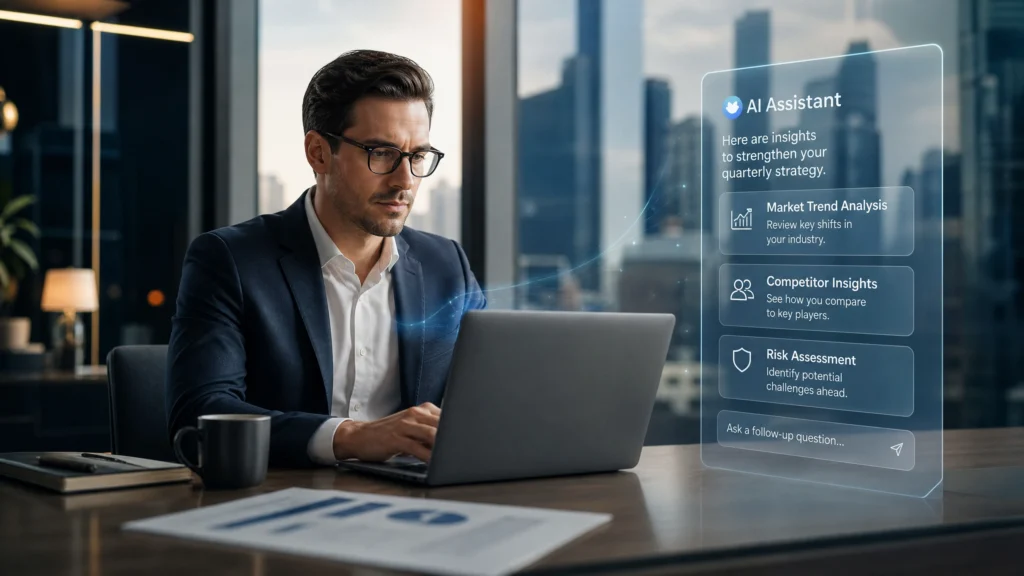
While automation inevitably displaces specific tasks, history shows that technological revolutions create entirely new categories of employment. The widespread adoption of machine learning is driving demand for professionals in AI safety, model alignment, and technology governance to ensure regulatory compliance. Organizations are also actively recruiting prompt engineers, AI workflow architects, and automation consultants to integrate these tools into legacy systems. Furthermore, as human-AI collaboration becomes the standard operating procedure, there will be a growing need for specialized managers who can oversee hybrid teams and optimize workflows.
The Economic Impact of AI on the Labor Market
The broader economic impact of AI integration remains a subject of intense debate among economists, with early data showing complex trends. While labor productivity is rising, research organizations like the Yale Budget Lab have found no significant spike in unemployment among highly exposed sectors. This resilience is partly explained by Jevons Paradox, which suggests that as a resource or service becomes cheaper and more efficient, demand for it dramatically increases. However, this shift creates new challenges; as routine tasks are automated, the remaining human responsibilities become more cognitively demanding, requiring continuous worker reskilling to prevent wage stagnation.
What OpenAI IPO 2026 Could Mean for the AI Jobs Debate
The sudden softening of job displacement rhetoric by top executives coincides with intense speculation regarding public market debuts in late 2026. Financial media reports indicate that OpenAI is laying the groundwork for a confidential public filing, with potential valuations reaching hundreds of billions of dollars, while rivals like Anthropic are rumored to be planning their own public offerings. To attract institutional investors on Wall Street, these companies must project stability and growth rather than the threat of systemic economic chaos. Rebranding generative AI as a corporate efficiency utility rather than an engine of mass unemployment is a vital step in defusing regulatory concerns and securing favorable valuations.
Why AI Regulation and Social Safety Nets Are Part of the Debate
As AI systems become deeply integrated into the economy, policymakers are increasingly focusing on the societal guardrails required to manage the transition. Legislative frameworks like the European Union AI Act and evolving regulatory guidelines in the United States aim to balance technological innovation with consumer protection and data privacy. At the same time, the potential for localized job displacement has kept proposals like universal basic income (UBI), government-funded reskilling initiatives, and enhanced social safety nets at the center of future-of-work policy discussions, ensuring that displaced workers have a viable path forward.
What Workers Should Do Now
- Learn how to use AI productivity tools: Integrate generative assistants into your daily tasks to speed up routine workflows.
- Focus on high-value human skills: Double down on critical thinking, complex problem-solving, and emotional intelligence.
- Build AI literacy: Understand the capabilities, limitations, and ethical considerations of modern machine learning models.
- Improve communication and strategy skills: Focus on articulating complex ideas and leading cross-functional projects.
- Learn workflow automation: Master tools that connect different software applications to build efficient, automated pipelines.
- Understand data and analytics: Cultivate the ability to interpret data and use it to drive strategic decisions.
- Use AI to improve productivity instead of ignoring it: Approach new technology as a collaborative partner that helps you scale your output.
- Build a portfolio of AI-assisted work: Document how you use advanced tools to deliver high-quality projects efficiently.
- Stay updated on future-of-work trends: Monitor industry shifts to anticipate which skills will be in demand next.
What Businesses Should Do Now
- Audit tasks that can be automated: Identify repetitive, structured processes within your operations that are prime candidates for AI integration.
- Train teams on AI tools: Provide structured learning opportunities to help your workforce leverage new systems safely and effectively.
- Use AI with human review: Establish strict human-in-the-loop protocols to verify automated outputs and prevent errors.
- Protect data and privacy: Implement secure enterprise accounts and robust data governance policies to keep proprietary information safe.
- Redesign workflows carefully: Reconstruct operational processes to maximize the synergy between automated tools and human employees.
- Measure productivity gains: Track key performance indicators to understand the actual return on investment of your AI implementations.
- Avoid replacing people without strategy: Focus on reallocation and upskilling rather than executing short-sighted workforce reductions.
- Build responsible AI policies: Create clear guidelines detailing the acceptable use, limitations, and ethical standards for internal AI tools.
- Invest in reskilling: Fund continuous learning programs to help your employees transition into higher-value strategic roles.
- Balance automation with customer trust: Ensure that customer-facing AI applications do not compromise the human connection your clients value.
Final Thoughts
The shifting rhetoric from Sam Altman and Dario Amodei marks a mature transition in the AI narrative, moving away from sensationalized predictions of a “jobs apocalypse” toward a pragmatic focus on task-level augmentation. While advanced models will undoubtedly automate routine aspects of white-collar and entry-level work, the intrinsic value of human collaboration, empathy, and strategic judgment remains irreplaceable. Ultimately, the future of work will not be defined by a stark choice between humans and machines, but by how effectively businesses, workers, and regulators collaborate to build a highly productive, augmented workforce.